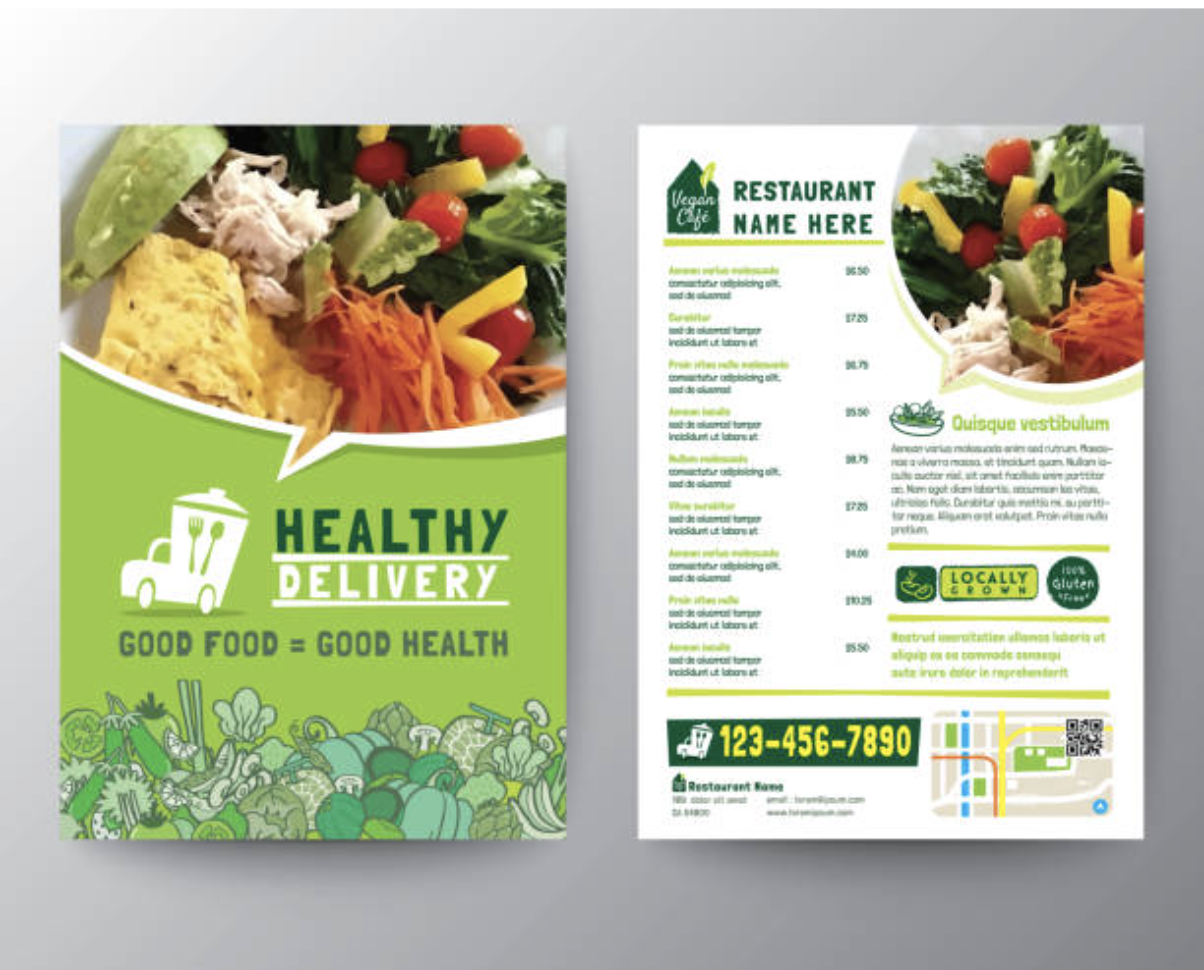
A restaurant rebrand is exciting, but it can also be risky. New logos, updated interiors, and fresh marketing materials often get most of the attention, while the menu quietly sits in the background. The truth is that your menu is one of the strongest brand assets you have. Guests spend more time looking at it than almost any other branded item in your restaurant. If you’re planning a rebrand, your menu should evolve alongside everything else. A well-designed menu helps customers understand who you are, what you serve, and why they should come back.
Start With Your New Brand Identity
Before changing colors, fonts, or layouts, take a step back and define what your new brand actually represents.
A rebrand is not simply a visual makeover. It is a chance to clarify your restaurant’s personality and positioning. A casual neighborhood grill requires a different menu style than a modern farm-to-table concept or an upscale steakhouse. Every design choice should support that identity.
Ask yourself a few simple questions:
- What experience are we trying to create?
- Who is our ideal customer?
- What dishes best represent our brand?
- How do we want guests to feel while ordering?
When the answers are clear, menu decisions become much easier. Instead of chasing design trends, you create a menu that feels authentic to your restaurant.
Use Menu Design To Tell A Consistent Story
Once your brand direction is established, your menu should become a natural extension of that story.
Many restaurants make the mistake of creating a beautiful new logo while leaving the menu disconnected from the overall experience. The typography, photography, colors, descriptions, and layout should all feel like part of the same conversation. If your rebrand focuses on simplicity, your menu should avoid clutter. If your concept celebrates craftsmanship, menu descriptions should reflect that attention to detail.
For restaurants redesigning their menu from scratch, using a professional menu maker can help visualize different layouts before printing thousands of copies. Testing various designs digitally often reveals opportunities to improve readability and presentation before guests ever see the final version.
Consistency builds trust, and trust encourages repeat business.
Simplify Before You Redesign
Before adding visual elements, evaluate the actual content of your menu.
A rebrand presents the perfect opportunity to remove dishes that no longer fit your concept or perform well financially. Menu engineering experts often recommend focusing on items that are both profitable and popular rather than trying to offer endless choices. According to Lightspeed’s 2025 guide on menu engineering, analyzing profitability and sales performance helps restaurants determine which dishes deserve greater visibility and which should be reconsidered.
| Menu Review Area | Question To Ask |
| Low-selling items | Do customers actually order these? |
| Signature dishes | Are these highlighted enough? |
| Seasonal items | Should they rotate instead of staying permanent? |
| Duplicate offerings | Can similar dishes be consolidated? |
A cleaner menu creates a stronger brand message and reduces decision fatigue for customers.
Design For How People Actually Read Menus
Many restaurant owners assume customers carefully read every section. In reality, most diners scan.
According to research highlighted by Cornell hospitality experts, customers often spend only one or two minutes reviewing a menu before making decisions. This means your design must guide attention efficiently.
Important: Menu design is not just decoration. It is a communication tool that helps guests find appealing options quickly and confidently.
Strategic placement matters. Featured dishes, chef specialties, and profitable items should appear where customers naturally focus their attention. Clear section breaks, readable fonts, and visual hierarchy make navigation easier.
The goal is not manipulation. It is reducing friction. When guests can quickly understand your offerings, they feel more comfortable ordering.
Update Pricing Presentation Carefully
Rebranding often leads restaurants to review pricing, but presentation matters almost as much as the numbers themselves.
Research published in the International Journal of Hospitality Management examined how menu price presentation influences purchasing behavior. The study found that different pricing formats can affect how customers perceive value and make ordering decisions.
When refreshing your menu:
- Keep pricing formats consistent.
- Avoid drawing unnecessary attention to prices.
- Maintain clean alignment throughout sections.
- Focus descriptions on value rather than cost.
Customers rarely judge a menu based on price alone. They evaluate the overall experience, perceived quality, and brand credibility. A thoughtful redesign helps reinforce that value perception without appearing overly promotional.
Choose Visual Elements That Support The Food
One of the biggest rebranding mistakes is adding design elements simply because they look trendy.
Photos, illustrations, icons, and decorative graphics should always serve a purpose. In some restaurant concepts, carefully selected photography can increase engagement. In others, minimalism may better support the brand image. The decision depends entirely on your audience and positioning.
A useful rule is simple: if a visual element does not help guests make a decision, it probably does not belong on the menu.
Make Your Menu Easy To Update
A rebrand should not lock you into a design that becomes difficult to maintain.
Restaurant trends, ingredient costs, and customer preferences constantly evolve. Your menu should have enough flexibility to accommodate future updates without requiring a complete redesign every time a dish changes.
Digital-first menu systems, modular layouts, and simplified design structures make future revisions much easier. According to restaurant menu engineering specialists, regularly reviewing and updating menus helps restaurants adapt to changing guest preferences and operational realities.
Think long term. A successful menu redesign is not just attractive today. It remains functional and relevant years from now.
Test Before You Commit
One of the smartest things a restaurant can do during a rebrand is gather feedback before finalizing the menu.
Print sample versions. Share digital drafts with loyal customers. Ask staff members for input. Observe how quickly people find information and whether they understand menu categories.
Sometimes a layout that looks impressive to designers creates confusion for actual guests. Testing helps identify those issues before they become expensive mistakes.
Small adjustments often make a huge difference. A clearer heading, improved spacing, or better item organization can dramatically improve the customer experience without requiring a complete redesign.
Frequently Asked Questions
1. How often should a restaurant redesign its menu?
Most restaurants benefit from reviewing their menu annually. A full redesign is usually only necessary when the brand, concept, or customer expectations change significantly.
2. Should every restaurant use food photography on its menu?
No. Photography works well for some casual concepts, quick-service restaurants, and digital menus, but many upscale restaurants achieve stronger branding through typography and layout alone.
3. Is it better to print menus or use digital menus during a rebrand?
Many restaurants use a combination of both. Printed menus support the in-person experience, while digital menus offer flexibility for updates and promotions.
4. What is the biggest menu design mistake during a rebrand?
Trying to include too much information. Overcrowded menus often confuse guests and weaken the impact of the new brand identity.
5. Can menu design affect restaurant profitability?
Yes. Strategic menu design can improve visibility for high-margin items, simplify customer decisions, and create a better overall ordering experience, all of which can influence revenue.