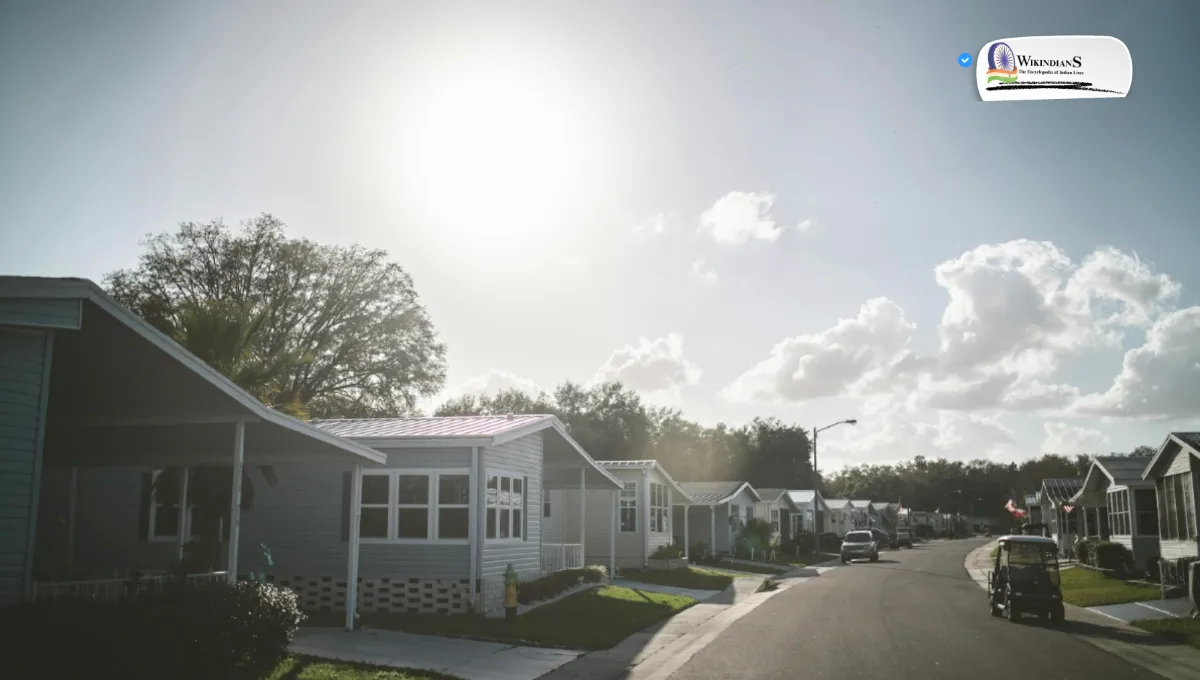
Healthy aging involves more than just managing medical needs—it covers physical wellness emotional fulfillment mental stimulation, and social bonds. Where older people live can affect these aspects of well-being. Community living has become a helpful model to meet the diverse needs of aging adults. It combines easy-to-access care meaningful activities, and real social connections. When well-planned and run by professionals, community living helps older adults stay healthy, independent, and happy as they age.
Encouraging Physical Wellness Through Everyday Support
One clear advantage of living in a community is the support it gives for staying healthy. These places are set up to keep people safe and help them move around. They have easy-to-use layouts, handrails, and people who fix things. This cuts down on physical stress and makes it less likely that someone will get hurt. These features make everyday tasks easier and help people stay active for longer.
Also many communities have programs that get people moving. These might be group workout classes walking groups, or gentle exercise sessions. They also offer good food and help with taking medicine, which helps keep people healthy. By getting rid of things that often stop people from being healthy, community living makes it simpler for older folks to stick with habits that help them stay lively for a long time.
Fostering Social Connection and Emotional Well-Being
Social isolation poses a big worry for older adults and can hurt their mental and physical well-being. Community living tackles this problem head-on by offering regular chances to socialize. Common areas, group activities, and planned events bring people together.
These everyday encounters foster a feeling of community and emotional safety. Residents live among peers who’ve had similar life experiences, which can strengthen relationships and ease feelings of being alone. In caring communities like Spring Mill social engagement is part of daily life helping residents keep their emotions in check and enjoy deeper connections.
Boosting Brain Health Through Involvement and Meaning
Keeping our brains sharp and finding meaning in life are key to aging well. Many community living spaces offer programs that challenge the mind, like classes, group talks, art projects, and brain games. These activities help people learn and explore no matter how old they are.
Just as crucial is the chance to make a difference. People can volunteer, guide others, or join resident groups. This lets them stay active and feel important. Having a purpose and keeping your mind busy helps your brain stay strong and boosts your self-worth. Both of these play a big part in aging .
Providing Access to Coordinated Care and Resources
As people get older, their health needs change. They start to need easy-to-reach well-organized care more and more. Many community living places bring healthcare services right to their residents. If not, they make sure to talk often with outside doctors and nurses. This team approach helps catch problems and fix them fast. It stops small issues from turning into big ones.
Having help close by also makes life less stressful for residents and their families. Knowing someone’s always there to lend a hand gives people confidence and peace of mind. In the long run, this reliable access to care and resources leads to better health and a more stable living situation.
Promoting Independence While Ensuring Safety
Many people think community living takes away independence. In fact well-planned communities put personal freedom first while offering help when needed. People who live there can make their own choices, keep their routines, and follow their interests. At the same time, they have a safe place with backup if they need it.
This mix lets people grow older how they want to. They keep control of their daily lives but don’t have to deal with home upkeep or tricky logistics. The end result? A place that respects each person while looking out for their health, comfort, and long-term well-being.
Conclusion
Community living has an influence on healthy aging in many ways. It tackles physical, emotional, mental, and social needs all in one place. Seniors get chances to stay well, do meaningful things, and receive coordinated care. They also feel connected to others. This setup helps older folks thrive as they get older. It lets them be independent but still gives them support when needed. In the end, community living sets the stage for healthier and more satisfying golden years.