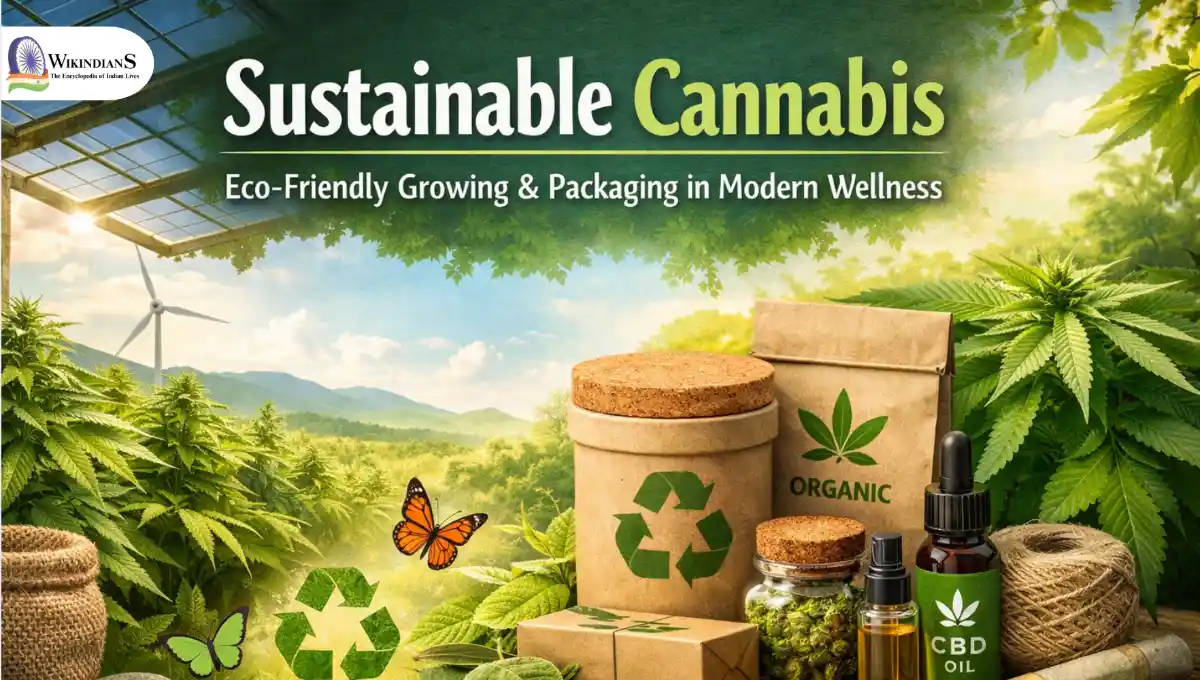
The cannabis industry has reached a new level of maturity, as sustainability has evolved into one of the key tenets of the industry in 2025. Much like organic foods, fair trade coffee, and eco friendly cosmetics, consumers are now seeking products that meet their values around sustainability in terms of cannabis use. In fact, the increasing demand for sustainable cannabis is a reflection of the larger wellness movement, as customers now view cannabis as part of their holistic wellness strategy, rather than merely for alleviating pain or having fun.
There have been significant advancements in the last few years regarding sustainable cultivation methods that have reduced the negative impact that traditional cultivation has on the environment. With these new eco-friendly methods, cultivators will be able to produce much higher quality, cleaner cannabis products using fewer natural resources. Market growth reports show that the cannabis market will exceed $68–73 billion at the end of 2025 and the sustainable and wellness-related sectors of the market will continue to drive much of the growth in the future. Cultivators and manufacturers that focus on quality and sustainability can find their items on platforms like 1-8Oz, which offers a wide variety of lab-tested products.
The improvement of green cannabis products helps the planet and each individual by improving the quality of these cannabinoids and terpenoids so each can obtain maximum therapeutic and beneficial effects. Through the ongoing development of green cannabis products, the cannabis industry as a whole can continue to show that it is dedicated to the health of its consumers and the health of their communities and ecosystems today and in the future.
The Environmental Impact of Traditional Cannabis Cultivation
Cannabis farming has always consumed considerable resources and, correspondingly, has caused a significant impact on our environment. Indoor cannabis facilities use artificial light, heat, cooling, and ventilation to operate, and as such use tremendous amounts of electricity. Estimates project that indoor cannabis cultivation can represent a large percentage of electrical consumption within geographic areas where cannabis is legal. Furthermore, carbon emissions generated by growing cannabis indoors are equal to or greater than carbon emissions from energy-intensive industries.
Water for growing is another important issue, as a single cannabis plant can use over 22 litres a day at peak growth! Diverting water from local watersheds and possibly polluting it as it runs off the field with nutrients and residues is a big concern for growers and regulators. And although growing cannabis outdoors requires much less energy than the indoor method, possible harm to the environment from erosion, pesticides, and disruption of animal habitats must also be addressed.
Throughout California & Colorado, Legislation on Water Conservation and Emissions Requirements have been adopted by Legislators to regulate the future growth of cannabis so as not to aggravate current environmental problems in their states. Additionally, it is important to point out that many synthetic fertilisers and pesticide products used in conventional horticulture contain hazardous materials that leach into soil and waterways, disrupt habitats, and negatively impact the long term health of soil & waterways.
Therefore, it is critical for those in the cannabis industry to start using different cultivation techniques. Many of the current techniques being employed today, as a result of the prohibition of cannabis, are not sustainable in a legal regulated market.
Innovations in Eco-Friendly Growing Techniques
By 2025, numerous cannabis producers had begun utilising cutting-edge, eco-friendly agricultural techniques which have considerably decreased their negative environmental impacts associated with their cultivation. To give you an example, regenerative organic agriculture is based on maintaining healthy living soils created through composting, cover cropping and using organic (rather than chemical) products such as natural soil amendments (amendments made from natural resources) to both build and maintain soil health and sequester carbon.
Numerous growers have begun to transition to sunlight-only or hybrid greenhouse systems, using only sunshine and energy-efficient LEDs to supplement natural sunlight. The result is an average reduction of electrical consumption by 60-80% compared to using electricity to operate fully indoor facilities. Some growers are now using wind energy to power their facilities, while others have successfully achieved carbon-neutrality through solar power and/or harvesting rainwater. Precision irrigation (including drip irrigation systems and sensors that provide water only when the plant requires it) dramatically reduces water consumption, reduces runoff, and improves irrigation efficiency.
Brands that embrace these new methods, as well as farms that adopt these methods, have noted greater plant resilience, improved terpene profiles, and overall superior products. As a result, this new wave of environmentally sustainable growing practices will reduce the environmental impact of the cannabis industry while establishing a higher standard for responsible cannabis cultivation.
The Benefits of Sustainable Growing for Product Quality and Wellness
Sustainable cultivation practices provide real-world benefits to the consumer through increased quality of products and ability for those products to support their wellness needs. Because the plant was grown in a living, rejuvenating environment with regenerative soil, it has a much more complicated cannabinoid and terpenes profile and therefore, will provide a more complete entourage effect and greater healing benefits, without using any synthetic chemicals.
These products are free of heavy metals, pesticides, and chemical fertilizers and are therefore cleaner for your lungs (if inhaled) or digestive system (if ingested), which decrease the risk of irritation or long term exposure to toxins. Many consumers also experience a greater level of subtlety in the effects of these sustainable products. Many patients who use cannabis for medical purposes report higher levels of flavor from their flower, smoother smoke and/or vapor, and a more consistent strength that helps them meet their specific health goals (less anxiety, better sleep, less inflammation, etc.).
It is essential for medicinal cannabis patients that the product be pure. Cannabis grown under environmentally sustainable farming practices results in a consistent quality of product and eliminates contamination so that the product will help people maintain their endocannabinoid system. Consumers of cannabis products who consider themselves environmentally conscious will feel good about using these products because they were grown with as little negative impact on the environment as possible. The methods of environmentally sustainable farming enhance the evolution of cannabis from just a crop to a premium herbal product thereby bridging the connection between health and the environment.
Revolution in Sustainable Packaging and Waste Reduction
Packaging is quickly becoming a major focus of sustainability in the cannabis industry, in addition to cultivation. Traditional child-resistant packaging is often made from single use plastic materials, contributing to the world’s landfills and polluting our oceans.
As a result of this, sustainable designers are creating innovative new materials for the cannabis industry such as bioplastics made from hemp and recycled ocean plastics, compostable mylar bags created from plant starch, and reusable glass jars that have minimalistic design features. Also, paper alternatives to foil-lined pouches and compostable films are replacing foil-lined pouches. Many companies are now offering refill programs, where customers can return their containers for a discount on their next purchase.
Sustainable certifications such as B Corp and USDA Organic equivalents like Clean Green Cannabis and Sun+Earth have become popular for companies that support and embrace a holistic concept of sustainability, throughout every aspect of their company, from the materials they use to the people they employ. Not only do these trends reduce waste, they enhance the brand image of the company by fitting into the current wellness market with their minimalist designs and earthy tones. As a result, companies now have sustainable packaging that both protects their products and helps to protect our planet, representing a wonderful use of 21st century manufacturing methods and reflecting the values of modern consumers.
The Future of Sustainable Cannabis and Final Thoughts
The sustainable cannabis sector is moving towards greater sustainability; increasing support for carbon neutral operational practices and, thus, full traceability have made it possible to improve efficiency through modern technologies. Existing examples of supply chain verification include blockchain integration, while AI has aided in the efficiency of resource management and, ultimately, maximizing operational efficiencies.
Beginning in Canada and the European Union, the United States also started to implement regulations that enforce minimum standards for energy, water, and waste management. With the ability for states to work collaboratively to enhance eco-friendly practices due to federal legislation, it stands to reason that sustainable cannabis practices will continue to grow and evolve.
The sustainable cannabis movement signifies not only a current trend but also represents a paradigm shift in how the Cannabis industry engages in positive business practices toward social responsibility both socially and economically. A sustainable cannabis model provides opportunities for consumers to use Medicinal Cannabis and for Companies to protect our Natural Resources and improve how we use them to grow cannabis sustainably by utilizing environmentally friendly cultivation, packaging, and consumption methods. A balanced and sustainable approach to meeting the needs of consumers has the potential to yield many benefits for both the consumer and our planet.
Disclaimer
This article is intended for educational purposes only and is not intended to serve as medical advice or guidance. Always consult qualified healthcare providers before beginning or changing any types of treatment, especially if you have existing medical conditions or are taking prescribed medications.